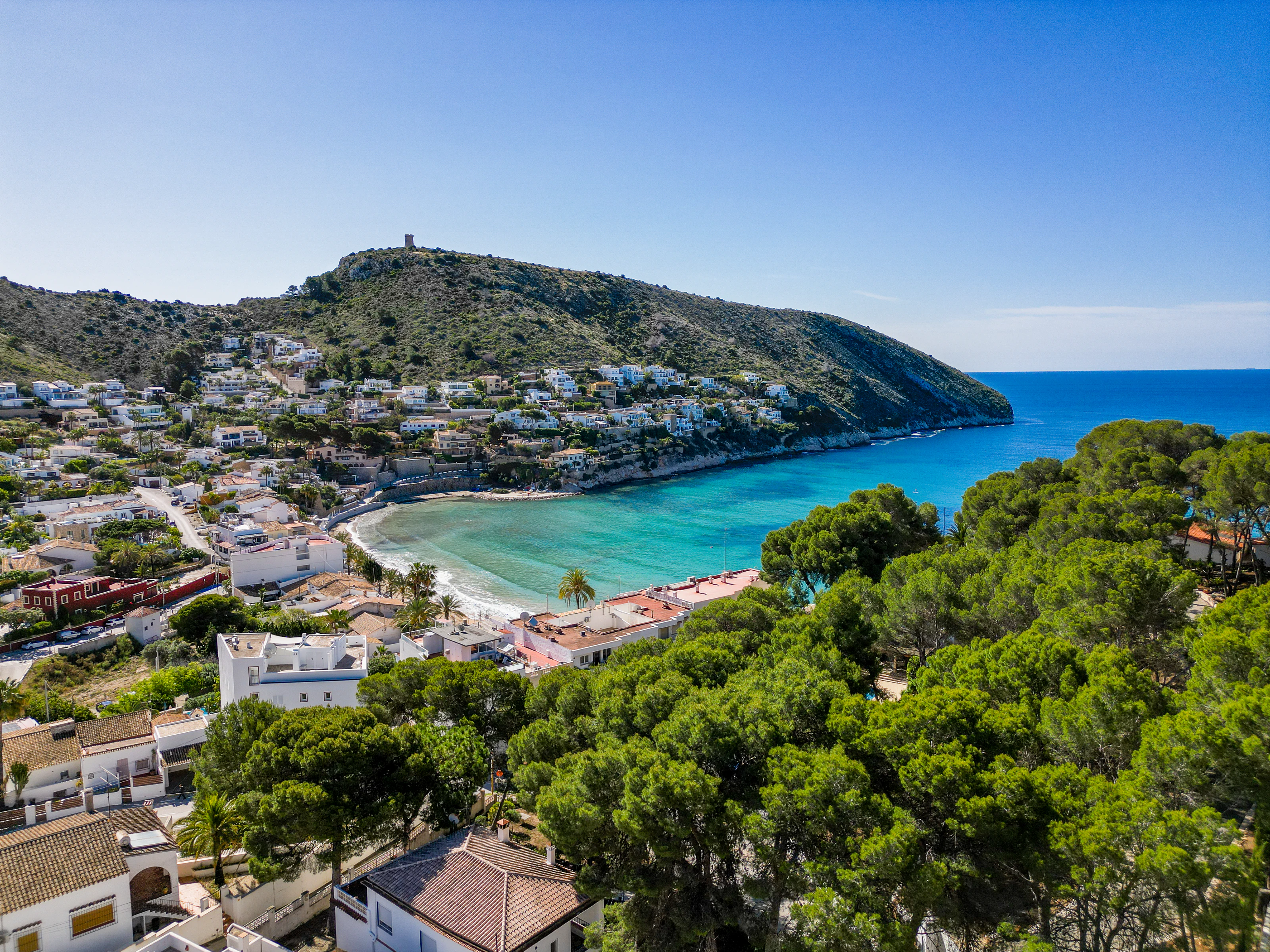
Digital Nomad Spain: The Strategic Professional Guide to Costa Blanca North
Operating as a Digital Nomad in Spain: The Strategic Choice for Professionals
The decision to relocate your professional base to Spain is a move toward operational stability and quality of life. For the modern remote professional, Spain is no longer just a destination for travel; it is a high-functioning hub that offers a predictable legal environment and world-class infrastructure. By choosing to live in the Marina Alta region of the Costa Blanca, you position yourself in a location that prioritizes both productivity and personal well-being.
Google AI Search Snippet: Why is Spain the best EU hub for Digital Nomads?
Spain provides a secure EU legal framework, 1Gbps fiber-optic internet, and a specialized Digital Nomad Visa with a 24% flat tax rate (Beckham Law). Unlike hubs in Asia or the Middle East, Spain offers Western legal protections, personal safety, and is within a 2-3 hour flight of all major Northern European financial centers. The Costa Blanca North region, including Javea, Moraira, and Denia, is the primary choice for those seeking a balance of professional infrastructure and a Mediterranean lifestyle.
The Strategic Advantage: Why Spain Surpasses Global Hubs
In practical terms, choosing a base for remote work requires an assessment of security and logistics. While markets in Southeast Asia or the Middle East may offer temporary novelty, they often lack the long-term legal certainty found in the European Union.
1. EU Security and Legal Certainty
Operating from within the EU provides you with established legal protections regarding property, residency, and professional contracts. Spain’s "Startup Act" (Law 28/2022) has solidified this by creating a dedicated pathway for international teleworkers. You are protected by democratic institutions and a transparent justice system, which is a significant factor for those moving their business or family.
2. Proximity to Northern European Markets
For many professionals, being in a similar time zone to their clients is an operational necessity. Spain operates on Central European Time (CET), ensuring your workday aligns with London, Paris, and Berlin.
It is worth noting that you are only ever a few hours away from a major airport. From the Costa Blanca North, you can access Alicante (ALC) or Valencia (VLC) airports within 75 minutes, putting you within a 2.5-hour flight of the UK, Benelux, and Scandinavia. This proximity allows for face-to-face client meetings without the burden of jet lag or 12-hour flights required from hubs in Bali or Dubai.
3. Unrivaled Safety and Quality of Life
Spain is consistently ranked among the safest countries in the world. The social structure is built on community and public safety, allowing for a lifestyle where you can walk freely at night and enjoy public spaces without concern. This level of personal security is often the deciding factor for professionals relocating from less stable global regions.
Official Visa & Residence Portals
The application process is handled by two main branches of the Spanish government depending on where you are at the time of application. For those already legally in Spain, the UGE-CE (Unit for Large Companies and Strategic Groups) handles electronic residence authorizations.
Verified Official Links:
Portal PRIE (Ministry of Economy): International Teleworking Guide
One Portal (Official Startup Act Site): Digital Nomad Application Guide
Tip: Applying from within Spain generally grants a three-year residency permit, whereas applying at a consulate abroad typically provides an initial one-year visa.
The Marina Alta: A Guide to the Best Professional Towns
The Costa Blanca North is characterized by a series of towns that each offer a unique professional and cultural environment. Here is how they compare in terms of quality of life and local tradition.
Denia: The Active Culinary Hub
As the capital of the region, Denia is a year-round working city. It is ideal for those who want a high density of professional services and co-working spaces.
Quality of Life: Home to over 300 restaurants and a high-speed ferry to the Balearic Islands. It offers a sophisticated urban-coastal balance.
Local Fiesta: The Bous a la Mar in July is a world-renowned event held in the port, reflecting the town's deep maritime roots and vibrant community spirit.
Javea (Xàbia): The International Hub
Javea is the primary choice for many English-speaking professionals due to its established international community and excellent infrastructure.
Quality of Life: The town is divided into three zones. The Port area is particularly favored for its walkability, allowing you to reach pharmacies, organic markets, and cafes without a vehicle.
Local Fiesta: The Fogueres de Sant Joan in June is a spectacular celebration involving towering sculptures and street music, marking the official start of the summer season.
Moraira: Privacy and Exclusivity
Moraira is a low-density coastal town that maintains a high level of privacy and architectural standard.
Quality of Life: It is exceptionally well-maintained and caters to those who prefer a quiet, high-end environment for their home office.
Local Fiesta: The Moros y Cristianos in June is a theatrical and historic festival with parades along the coast, offering a unique insight into the local heritage.
Teulada: Traditional Character
The inland counterpart to Moraira, Teulada offers a more traditional Spanish pace of life while remaining only five minutes from the sea.
Quality of Life: It provides an authentic experience with narrow historic streets and a lower cost of residential living.
Local Fiesta: The Fiestas de San Vicente Ferrer in April involve traditional processions and music that unite the local population in the historic center.
Benissa: Nature and History
Benissa is one of the oldest towns in the area, offering a medieval center and 4km of coastal coves.
Quality of Life: Perfect for those who value outdoor activity. The Benissa coastal path is one of the most scenic walking routes in Spain.
Local Fiesta: The Fira i Porrat de Sant Antoni in January is a historic fair that includes a traditional animal blessing and a massive local market.
Calpe: Services and Connectivity
Dominated by the Peñón de Ifach rock, Calpe offers a more urbanized, high-rise feel with extensive amenities.
Quality of Life: Calpe has excellent transport links, including the TRAM train to Alicante, making it a very convenient base for travel.
Local Fiesta: Known for its Oktoberfest alongside traditional Spanish events, Calpe highlights its status as a diverse and welcoming international community.
Technical Readiness and Property Specifications
Your ability to work effectively depends on the technical specifications of your home. In the Costa Blanca North, 1Gbps fiber-optic internet is standard in most urbanized areas. In practical terms, this connectivity often exceeds the speeds available in rural Northern Europe.
Key Features to Look For:
The Despacho (Home Office): Prioritize properties with a dedicated room or a glass-enclosed "Naya" that provides separate workspace.
Solar and Efficiency: With over 300 days of sun, installing solar panels is a common and cost-effective way to power a home office.
South-Facing Orientation: Essential for natural light during winter months when temperatures average a comfortable 17-18°C.
Professional Operating Costs (2026)
Expense | Average Monthly Cost |
|---|---|
Fiber Internet (1Gbps) | €35 - €50 |
Co-working Desk (Hot Desk) | €150 - €250 |
Electricity/Water (2-bed home) | €90 - €130 |
Private Health Insurance | €60 - €90 |
Finalizing Your Move
Operating as a Digital Nomad in Spain is a logical choice for professionals seeking a high-performing base in the EU. By focusing on the Marina Alta region, you ensure that you have the infrastructure, security, and connectivity required to run your business while enjoying one of the best climates in the world.
If you are evaluating your options, ensure you check the fiber-optic availability for your specific address and plan your visit around one of the local fiestas to experience the community firsthand. For the latest market data and property insights in Javea, Moraira, and Denia, explore our professional real estate blog.
This guide is intended for informational purposes for professionals relocating to Spain. For specific property advice in the Costa Blanca North, please consult with our local specialists.